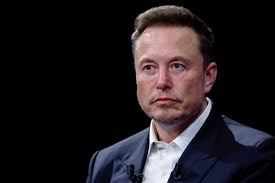
Bill Gates Says AI Could Reshape Global Education and Healthcare Systems
Microsoft co-founder believes artificial intelligence may become one of the most influential technologies in modern history

Bill Gates has warned that governments and businesses must prepare for rapid changes driven by artificial intelligence as adoption accelerates across industries worldwide.
Speaking during a global technology and healthcare conference in Singapore, Gates said AI systems are already beginning to transform education, medical diagnostics, scientific research, and productivity-based industries.
"The pace of change is faster than most institutions are prepared for," Gates told delegates. "Artificial intelligence has the potential to dramatically improve lives, but societies will need to adapt quickly."
The billionaire entrepreneur explained that AI-powered systems could eventually help address major global challenges including:
- Access to education
- Disease detection
- Medical staffing shortages
- Scientific research
- Agricultural efficiency
- Administrative automation
Healthcare experts say AI-assisted diagnostics have already shown promising results in identifying diseases earlier and improving efficiency within hospital systems.
"Artificial intelligence can help reduce workloads for medical professionals while improving patient outcomes," explained Dr Amelia Hargrove, a London-based healthcare technology specialist. "The long-term implications could be enormous."
However, Gates also acknowledged growing concerns surrounding misinformation, job displacement, privacy, and ethical oversight as AI systems become increasingly integrated into everyday life.
Governments across Europe and North America are currently exploring new regulatory frameworks designed to manage the risks associated with advanced AI technologies.
The Microsoft co-founder has repeatedly argued that collaboration between governments, universities, and technology companies will be necessary to ensure artificial intelligence develops responsibly.
Analysts believe AI-related investment will continue rising sharply over the coming decade as corporations compete to automate operations and improve productivity.
Despite uncertainty surrounding long-term economic impacts, Gates remains optimistic about the technology's broader potential.
"We are still in the early stages," he said. "The systems being built now could eventually become as important as the internet itself."
Read More
Related topics

Technology Reporter
Victoria Langford covers technology and innovation for The Great British News, with a particular focus on artificial intelligence, big tech, and the digital economy. She previously worked at the BBC's technology desk and TechCrunch Europe, and has interviewed many of the world's leading technology executives. Victoria studied Computer Science at King's College London.